
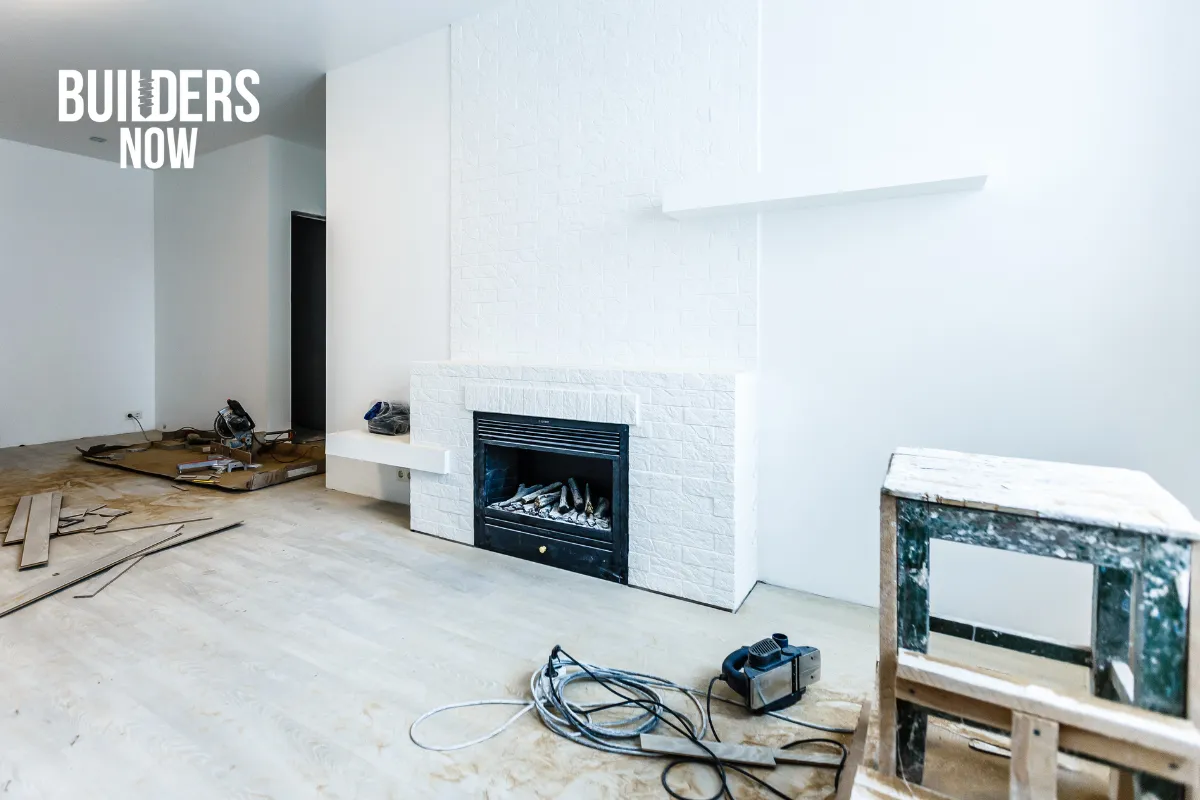
Every remodel has a story. At first, homeowners are filled with excitement and big dreams. Then comes the messy middle, where dust, noise, and decisions can feel overwhelming.
But eventually, the tide turns. Cabinets are installed, paint goes up, and floors are laid. Suddenly, the home feels whole again.
This post is about that emotional turning point. The moment stress fades into relief and joy. I’ll walk you through how Builders Now delivers not just finished projects, but peace of mind and lasting relationships with our clients.
The 4 Final Stages of a Home Remodeling Project
Every remodel has a natural rhythm, and the last stretch is where everything comes together. The heavy lifting is behind you, and what remains are the finishing details that make the house feel like home.
These final stages include installing finishes, completing inspections, guiding the client walk-through, and addressing the last punch list items. Let’s walk through the last stages of a project:
1. The Emotional Turning Point: When Stress Turns to Excitement
This is the shift every homeowner looks forward to. The moment cabinets, countertops, and paint go in, everything changes. The house no longer feels like a job site. It feels like the beginning of a finished space.
Homeowners can finally picture family dinners in the kitchen or relaxing evenings in the living room. At Builders Now, I don’t wait until finishes arrive to help clients feel connected. During framing and rough-in, I walk them through the space.
I’ll point out where the TV will hang, where the bed will sit, or how the kitchen layout will flow. Even before drywall, this helps them imagine life in their new home and builds confidence that the project is on track.
This is the emotional turning point: when stress fades and excitement returns.
2. The Final Walk-Through: Delivering Confidence, Not Just Keys
The last stage isn’t just about handing over the house. It’s about making sure homeowners feel confident in every detail. Here’s what you can expect:
Internal Quality Check
Before clients ever set foot inside, my team and I do a full internal walk-through. We catch imperfections like paint touch-ups, misaligned doors, or uneven caulk. Fixing those details early means the client’s first impression is as close to flawless as possible.
Guiding the Client Walk-Through
Then it’s time for the homeowner’s walk-through, I guide them through the entire house. We note any final touch-ups, review systems, and explain how everything works.
Most importantly, we formally review your final documentation, our fit-and-finish warranty, and the follow-up process, so you know we’re still standing behind the work long after the project wraps.
3. The Payoff: Why Builders Build
At the end of a remodel, homeowners are often tired. Months of dust, decisions, and invoices take their toll. The moment they walk into their finished space, relief turns to joy.
For me, this is the most rewarding part of building. Seeing homeowners light up when they step into their completed kitchen, addition, or ADU makes every challenge along the way worth it.
Our commitment doesn’t end when the final check clears. Builders Now emphasizes ongoing support. We’re here for small adjustments, questions, or anything that comes up after move-in. The relationship doesn’t stop at completion.
4. Lasting Relationships Beyond the Build
At Builders Now, I see each project as the start of a long-term relationship. We always check in with clients after projects are done. Sometimes it’s a minor adjustment. Other times it’s a question about maintenance or warranties.
No matter what it is, clients know they can call us and we’ll be there.
In the past, I’ve held detailed debrief calls to ask homeowners what went well and what could be improved. Their feedback helps us grow and refine how we deliver projects. Building trust doesn’t end when the job does. It’s something we carry into every future project.
What to Look for During Final Walk-Through New Construction
The final walk-through is your chance to make sure everything in your new home is complete, functional, and built to the quality you expect before you move in. It’s not about nitpicking.
It’s about protecting your investment and making sure small issues are fixed before they become larger problems. Here are the main areas I tell homeowners to focus on:
1. Exterior
Start outside. Check that the landscaping slopes away from the home so water drains properly. Look at siding, stucco, or exterior finishes for cracks or uneven patches. Make sure exterior doors, windows, and garage doors open, close, and lock smoothly.
Walk the driveway and patios to see if there are cracks or uneven surfaces that could create problems later.
2. Interior Structure and Finishes
Inside, scan walls, ceilings, and trim for nail pops, cracks, or unfinished paint patches. Paint should be consistent in color and coverage throughout the home. Walk on every floor surface (tile, wood, or carpet) and listen for squeaks or uneven spots.
Check that stairs and railings are sturdy and meet safety standards. Open and close cabinets, drawers, and countertops to ensure they are level, flush, and damage-free.
3. Systems and Utilities
Test every system in the home. Turn on the HVAC to confirm air is blowing from vents and that the thermostat is calibrated. Run water from sinks, showers, and tubs to check for proper water pressure and drainage.
Look under sinks for leaks. Test every outlet, light switch, and ceiling fixture to confirm they work. Push the test button on smoke and carbon monoxide detectors. Check the water heater to make sure it’s set to a safe temperature.
4. Windows and Doors
Open and close all windows and doors. They should glide smoothly, latch, and lock securely. Look for broken seals or drafts. Weatherstripping should be intact and properly installed. Sliding doors and screens should move without sticking.
5. Appliances and Equipment
If appliances are included, test each one. Turn on the stove and oven, run the dishwasher, check the refrigerator and freezer, and test the washer and dryer. Make sure manuals and warranties are provided so you know how to maintain them.
6. Safety and Code Compliance
Confirm that GFCI outlets are installed where required in kitchens, bathrooms, garages, and outdoor areas. Check ventilation in bathrooms, laundry rooms, and attics. Ensure railings, balconies, and stairs meet safety codes. Fire exits should be clear and accessible.
7. Punch List and Documentation
Finally, create a punch list of any items that need fixing or adjustment, even small ones. This could include paint touch-ups, caulking, or alignment fixes.
Make sure warranty information, inspection records, and copies of permits are provided. Everything should be documented in writing with a clear timeline for completion.
Pro Tip: Walk through the home at different times of day. Natural light often reveals imperfections in paint, drywall, or flooring that artificial light can hide.
From Project to Peace of Mind
A remodel isn’t just about new walls, fresh paint, or shiny finishes. It’s about the journey from stress and uncertainty to relief and joy.
Most homeowners feel a mix of exhaustion and excitement, but once the final walk-through is complete and the punch list is handled, the house is no longer a work in progress. It’s a home.
At Builders Now, we want every client to feel confident, supported, and proud of the space they’ve built. That’s why we don’t stop at “substantial completion.” We make sure the details are right, the systems work, and that you know we’ll be here for you long after move-in.
Thinking about starting a remodel, addition, or ADU in San Diego? Let’s discuss your vision and explore how we can bring it to life. Reach out today to schedule a consultation and take the first step toward the home you’ve been imagining.
Here’s a checklist you can use during your final walk-through to make sure nothing is missed.