
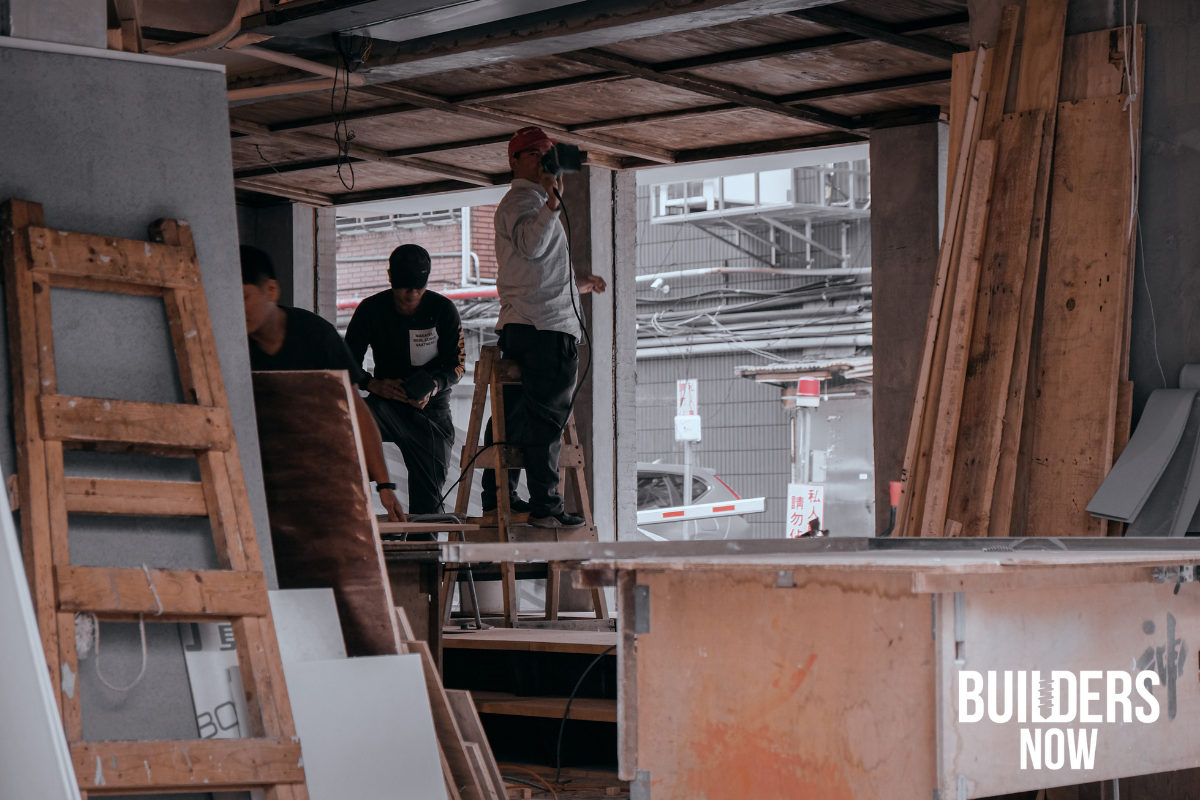
The early stage feels exciting because progress is visible. Framing goes up quickly, and you can walk through the bones of your new space. But then things slow down.
Stucco, drywall, paint, and finish work don’t look as dramatic, and delays, from soil conditions or plan changes, make it feel like the project is stuck. This is the messy middle. And while it feels stressful, it’s also the stage where the most important details come together.
In this post, I’ll explain why the messy middle feels so tough, the top stressors homeowners face, and how we at Builders Now manage construction stress with steady communication, quick problem-solving, and empathy.
Is the Messy Middle Real?
Yes, it’s a universal stage in construction. Every homeowner feels it.
At the start, progress feels fast because you see walls, rooms, and layouts come to life. But the middle phase moves differently. Much of the work shifts to behind-the-scenes details like plumbing, wiring, or inspections. Progress is happening, but it’s not always visible day to day.
Even when there’s a pause, there’s still work happening. Engineers review plans, city inspectors sign off, and crews prepare for the next steps. The messy middle can feel slow, but it’s all part of the process.
Top 3 Stressors for Homeowners
When I talk with clients about home renovation stress, three concerns always rise to the surface. Each of these can create frustration if not addressed, and together, they explain why the messy middle is often the hardest part of a remodel.
1. Feeling Like the Project Has Stalled
One of the most common complaints I hear is, “It looks like nothing is happening.” This usually happens once the framing is done and crews move into dirt work, utilities, or interior finishes. These tasks don’t change the visible shape of the home the way framing does, so progress feels slow.
From a builder’s perspective, things are still moving forward. Installing plumbing lines, passing inspections, and prepping for drywall are essential steps.
They just aren’t as obvious to someone walking the site. That disconnect creates stress because homeowners see dust and debris but not the progress happening in the details.
2. Unforeseen Problems
Every remodel has unknowns hidden behind walls or under floors. Soil conditions, structural quirks, or outdated wiring can all surface mid-project. Even with the best planning, you don’t always know what’s there until you open things up.
These discoveries can result in additional costs and adjustments to the plan. For homeowners, the frustration is real.
They planned a budget and timeline, and now those numbers are shifting. What’s important here is not pretending these problems won’t happen, but managing how they’re communicated and resolved.
3. Decision Overload
The messy middle is also when homeowners face the bulk of their design decisions. Cabinets, countertops, flooring, fixtures, and paint colors. Every choice adds up, and each can impact cost by thousands of dollars. Even with the help of designers, decision fatigue sets in quickly.
I’ve seen clients spend weeks picking out a faucet because it felt like a five-figure decision once labor and finishes were factored in. It’s draining, and the constant pressure to “get it right” makes the process emotionally heavy. The best way to beat this stress is through early material selection—finalizing these choices before construction starts.
How to Communicate Problems Without Panic
The truth is, unforeseen issues will come up in nearly every project. The difference lies in how your contractor handles them.
At Builders Now, we follow three principles when delivering tough news:
Stay Factual
We don’t sugarcoat or dance around the problem. If something unexpected happens, like soil instability or hidden electrical problems, we explain exactly what we found and why it matters. Clear facts give homeowners confidence that nothing is being hidden.
Frame Solutions
Alongside the issue, we always present the fix. For example, if we find termite damage, we’ll immediately explain how it can be repaired, what it will cost, and how it affects the schedule. Focusing on the path forward lets homeowners see that the problem is solvable instead of overwhelming.
Act Quickly
Speed is everything. The faster we document the problem, contact the right experts, and implement a plan, the less impact it has on the project. Delays are often what homeowners fear most, so our response time is critical.
It’s simple: be direct, be transparent, and be ready with a solution. There’s always an answer, and the speed of the response is what keeps homeowners calm and confident.
Case Study: How We Handled Unexpected Concrete Walls in Home Remodeling Projects
To give you an example, we once started a remodel that assumed wood framing. But once we opened the walls, we discovered they were concrete. That completely changed the structural plan.
For a less experienced contractor, this could have caused weeks of delay. Here’s how we managed it instead:
- Investigated. We opened the subfloor, took photos, and gathered every detail about the existing conditions.
- Informed. We sent the documentation to the engineer the same day so adjustments could begin immediately.
- Problem-solved. We reassured the client that a solution was inevitable and worked quickly to keep momentum.
The engineer had built the plan around wood framing, but with our fast response and detailed notes, they were able to adjust without major downtime. By acting immediately, we kept the project moving and avoided unnecessary panic.
This is a perfect example of how construction stress management works in practice. Surprises happen, but they don’t have to derail the entire project if they’re handled quickly and clearly.
What to Do When Partners Disagree
Not all remodeling stress comes from construction delays. Sometimes the tension comes from inside the home when partners disagree about finishes, colors, or appliances.
In these cases, my role isn’t to referee. Instead, I bring in the experts. Interior designers are trained to guide homeowners through choices like cabinets, sinks, and tile. They know how to balance style with budget and function, and their input helps keep decisions moving.
I’ll step in with insights if needed, like pointing out durability concerns or installation challenges, but I avoid letting personal conflicts stall progress. The goal is to resolve disagreements without drama so the project continues smoothly.
Frequently Asked Questions
How do you handle construction delays?
Delays happen in almost every project, but the key is how quickly your contractor responds. At Builders Now, we identify the issue, share the facts right away, and present solutions alongside the problem. We also act fast to bring in the right experts, which helps minimize downtime.
What are the obligations of a contractor in California?
Contractors in California must be licensed with the Contractors’ State License Board (CSLB). They’re responsible for building to code, following contracts, and completing projects with proper materials and workmanship. A good contractor also keeps you informed, manages subcontractors, and ensures safety on site.
What is the delay clause in a construction contract?
Most contracts include a section that covers delays. It explains how extra time will be handled if something outside the contractor’s control happens, like bad weather, permit issues, or hidden structural problems. A clear delay clause protects both the homeowner and the contractor.
How long is a contractor liable for work in California?
In California, contractors are generally liable for up to 10 years for major structural defects and 4 years for issues with finishes or workmanship. This is why choosing quality materials and a trustworthy contractor matters so much. You want work that holds up well past the warranty.
The Bottom Line
The messy middle doesn’t last forever. After weeks of disruption, drywall goes up, finishes take shape, and the space begins to look like the dream homeowners imagined. Stress fades, excitement returns, and the reward for patience finally becomes clear.
In the next part of this series, I’ll share what that turning point feels like and how the payoff makes the whole journey worth it.
Remodeling in California? Builders Now helps homeowners through every stage, from the early excitement to the messy middle and beyond. Contact us today for a consultation. We guide you through delays, decisions, and construction stress with confidence.